

In 2020, a team of government investigators in Goa, India, visited United Marine Products to investigate its disposal of toxic wastewater. Local residents had long complained about the factory’s pollution, caused by fish meal production. The investigators found that the plant had illegally drilled bore holes to dump wastewater, contaminating groundwater and causing harm to villagers and livestock.
The factory owner denied any wrongdoing. Although Canadian seafood consumers may feel disconnected from such issues, the Indian factory supplied Skretting, a major feed producer used by Canadian fish farms. An investigation by The Outlaw Ocean Project uncovered various hidden costs associated with producing this feed, including job losses, chemical exposure, worker deaths, and protests due to factory odors.
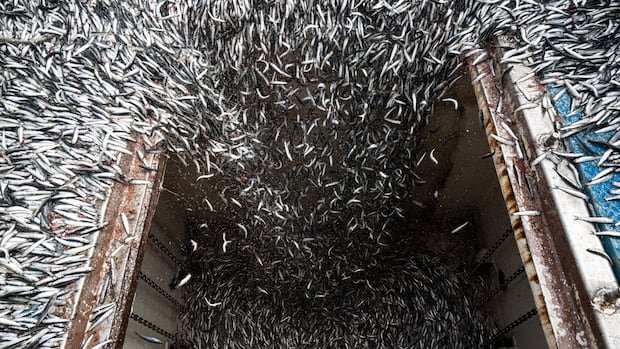
The environmental and social impacts of producing fish meal primarily affect poorer countries where the feed ingredients are sourced, contrasting with the consumption of luxury seafood in wealthier nations. The most popular farmed seafood in Canada, like salmon and trout, relies on fish meal made from wild fish, contributing to ocean depletion.
Fish farming is a rapidly growing industry, with over half of global seafood now coming from fish farms. Aquaculture heavily relies on fish meal and fish oil, predominantly sourced from wild fish. While efforts are being made to reduce the dependence on fish meal by incorporating alternative ingredients like insects and algae, the industry still faces sustainability challenges.
The investigation revealed issues in the fish meal industry, including overexploitation of fish stocks and unsustainable fishing practices. Despite claims of reducing fish meal usage, some salmon companies have increased their reliance on wild fish for production. The Outlaw Ocean Project highlighted concerns with fish meal factories in Canada, linking them to pollution and unsustainable practices.