


Due to a lack of physicians, Inuvik Regional Hospital has halted its labour and delivery services.
This suspension is anticipated to continue until Sunday, with patients being sent to Yellowknife.
However, a public announcement from the Northwest Territories Health and Social Services Authority indicates that the disruption could extend beyond this timeframe.
Dr. Nicholas Leyland, who is the president of the Society of Obstetricians and Gynecologists of Canada, remarked that the situation in Inuvik reflects a severe manifestation of a larger crisis within Canada’s healthcare system.
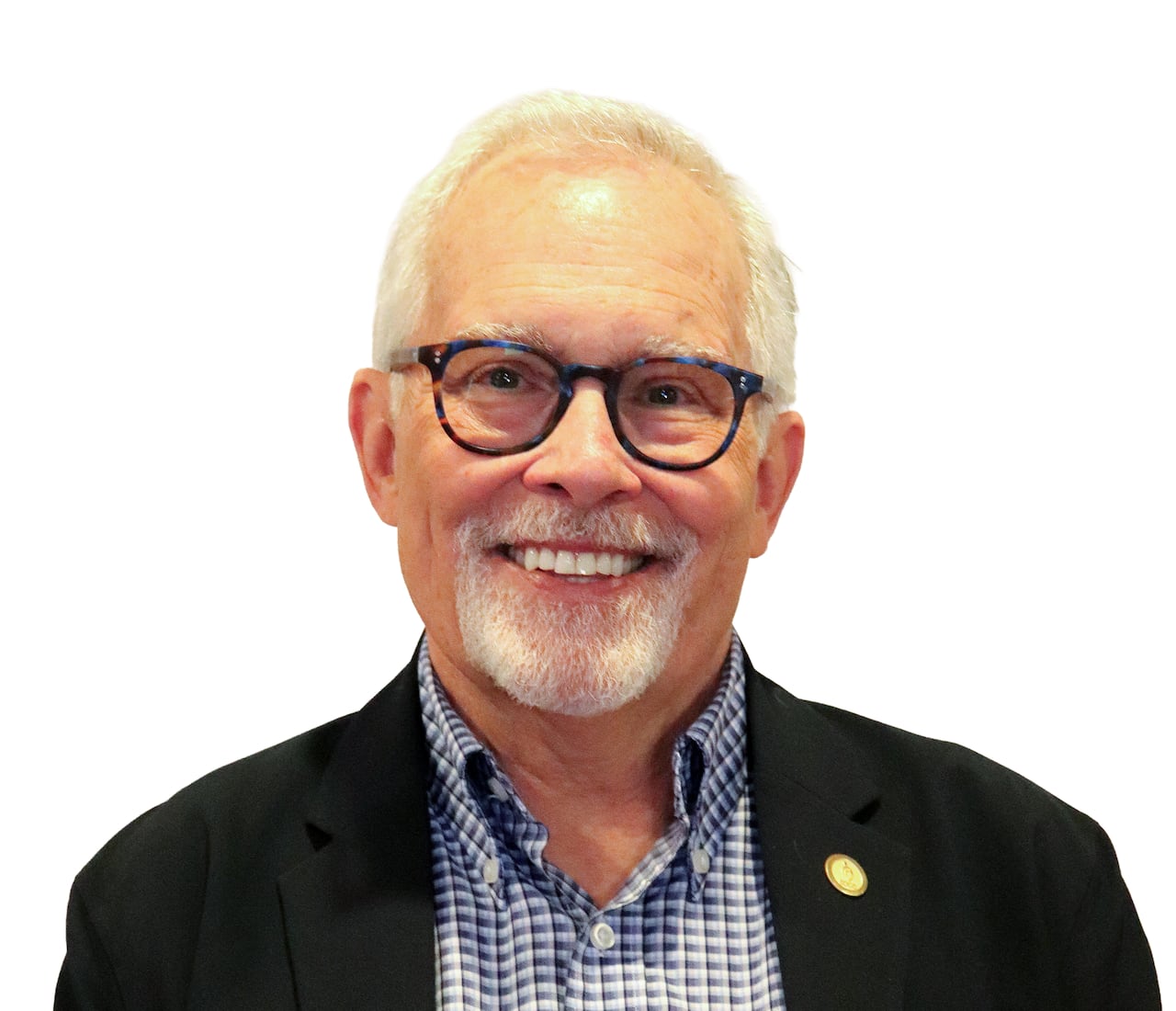
Dr. Nicholas Leyland, president of the Society of Obstetricians and Gynecologists of Canada, notes that the halting of birth services in Inuvik highlights a broader crisis. (Submitted by the Society of Obstetricians and Gynecologists of Canada)
“The difficulties we face are not exclusive to northern regions,” Leyland stated. “They’re similar across the board, but are particularly evident as part of a persistent issue throughout Canada.”
While there is no comprehensive national data, an analysis of media coverage suggests that the suspension of birthing services and the closure of units have become increasingly common in recent years, particularly in smaller communities.
-
Ob-gyns at Kamloops hospital cite ‘extreme’ burnout as reason for resigning en masse
-
No ob-gyn in northeastern Alberta city means expecting mothers must travel for routine care
-
Flin Flon parents feeling forgotten after 7 years without birthing services
Earlier this year, Inuvik experienced a service loss that lasted four months during the summer and fall in 2024, while Yellowknife’s Stanton Territorial Hospital faced a similar situation from December 2021 to February 2022.
Leyland explained that persistent systemic issues are fueling these service interruptions and unit closures, including chronic underfunding, heightened burnout levels exacerbated by the COVID-19 pandemic, and a decrease in family physicians providing maternity care.
An urgent search for doctors
The territorial healthcare system is urgently seeking physicians to address the vacancies that led to this week’s service suspension, offering attractive benefits to attract temporary doctors to Inuvik.
A social media campaign from Practice N.W.T., the recruitment branch for health and social services in the territory, is searching for certified physicians with advanced surgical expertise, obstetrical skills, and general surgeons for short-term assignments in Inuvik from August to December.
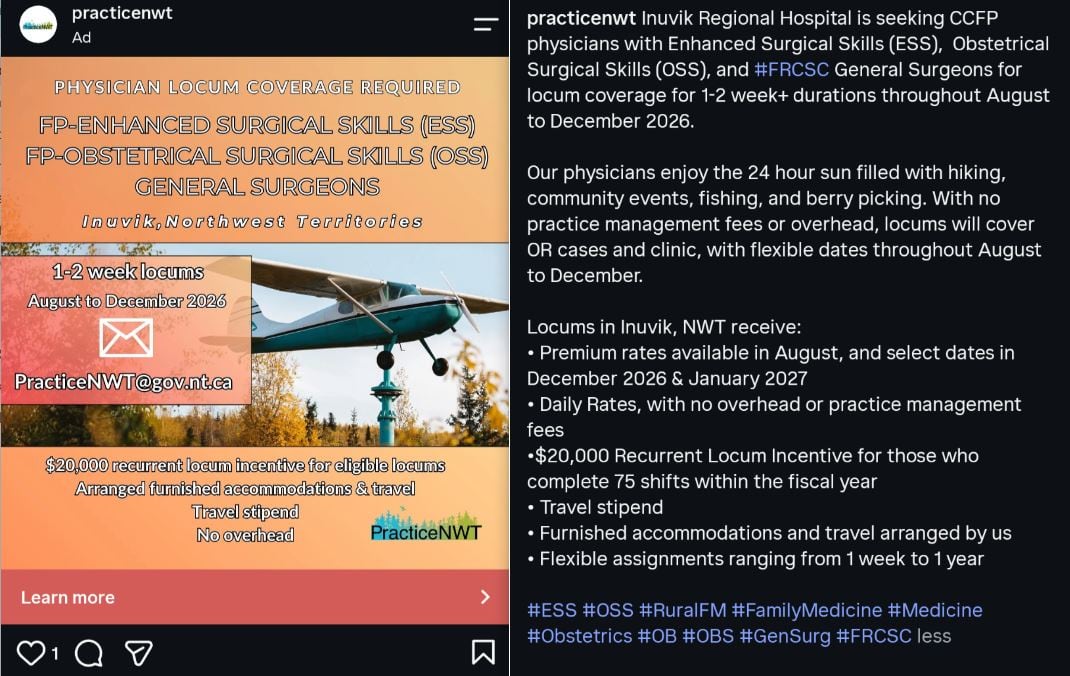
A Practice N.W.T. ad posted on Instagram recruiting physicians to Inuvik to provide obstetrics and other medical services. (Practice N.W.T./Instagram)
The advertisement states that doctors will receive premium compensation for work in August and on select dates in December and January. Additionally, there is a $20,000 bonus available for short-term doctors who complete 75 shifts within the fiscal year.
Other incentives include the absence of overhead or practice management fees, a travel allowance, furnished accommodations, and travel arrangements coordinated by the health authority.
Nevertheless, Leyland emphasized that compensation and benefits alone will not address the fundamental issues afflicting Canada’s healthcare system.
“Over the years, many of the more experienced nurses have exited the profession… leading to a gap in the training of the next generation of obstetrical nurses,” he elaborated. “Thus, we must truly support nurses to remain in the field.”
CBC News attempted to contact the Northwest Territories Health and Social Services Authority for an interview, but they declined to participate.
A role for midwifery
Lesley Paulette, a longtime proponent of midwifery in the N.W.T., believes their services could contribute to a sustainable solution.
“To stabilize our entire maternal and child health services here, we need to recruit the appropriate combination of care providers — which includes physicians, specialists, midwives, and nurses,” she stated. “Then, we must focus on developing care models that empower all those providers.”
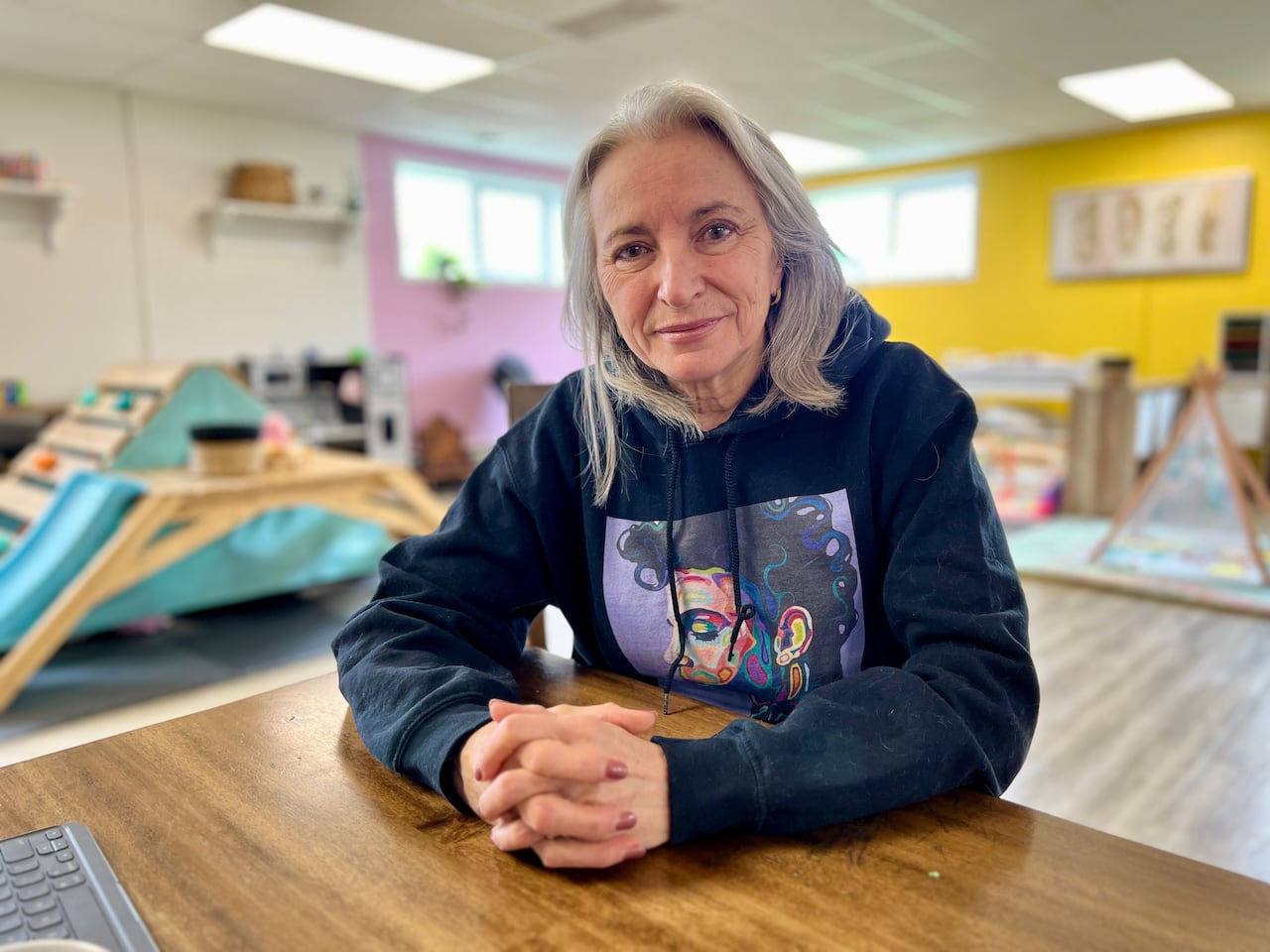
Lesley Paulette is an Indigenous midwife who played a major role in expanding midwifery in the territory. (Carla Ulrich/CBC)
Paulette was honored with an appointment to the Order of Canada for her efforts in reintroducing midwifery to the territory. Qualified midwives can provide comprehensive care — before, during, and after birth — in both home settings and hospital birthing units.
She stated that this support, along with an increase in doctors and nurses, could aid in strengthening a fragile maternal healthcare system.