
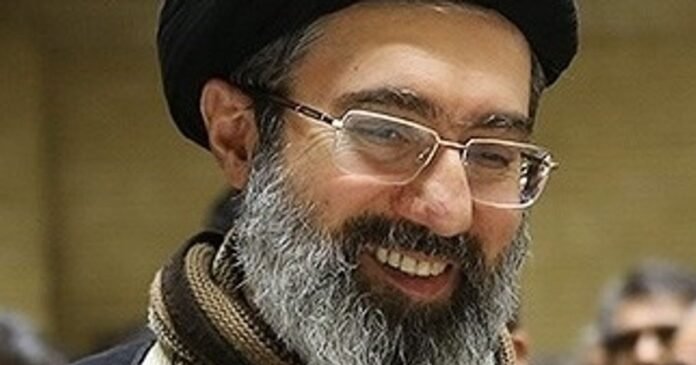

Iran’s prominent figures have united in support of Mojtaba Khamenei, the second-eldest son of the late Ayatollah, to be named as the next Supreme Leader of the struggling nation. The decision to appoint Khamenei as the top candidate was reached after discussions among 88 senior clerics responsible for shaping Iran’s future, with pressure from the Islamic Revolutionary Guard Corps influencing the selection process.
According to Iran’s constitution, the clerics have the authority to appoint the Supreme Leader. This closed election marks the second time such a process has taken place, the last one occurring in 1989 when Ali Khamenei was chosen, only to be killed in a joint US-Israeli airstrike on Saturday.
The recent meetings were conducted online following airstrikes by Israel and the US on Iran. Khamenei, aged 56, is known for his conservative stance and ties to the revolutionary guard, often operating discreetly rather than seeking the limelight.
Despite lacking public office experience, which could be seen as a drawback to his candidacy, Khamenei’s selection would signal a continuation of Iran’s confrontational approach towards Washington DC, emphasizing the regime’s unwavering stance. However, this move could also raise questions among Iranians, as the late Khamenei had opposed hereditary rule, likening it to monarchy and the Shah’s reign.
The Middle East Institute has indicated that Mojtaba’s aspiration to become the Supreme Leader faces challenges, particularly as the Shia Islamic tradition reserves blood lineage for specific Shia imams. The prospect of a hereditary supreme leader could trigger backlash within Shia seminaries and among certain factions of Iran’s political elite.
Former US President Donald Trump commented on the limited options for Iran’s new leadership, expressing concerns about a potentially unfavorable successor. He advocated for a leadership transition from within Iran’s government once military actions were initiated.