
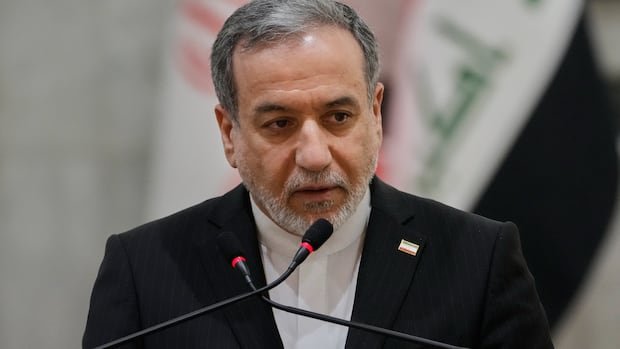

Iran’s foreign minister has dismissed recent threats from U.S. President Donald Trump, who announced intentions to unleash the “MOST CRUSHING ECONOMIC OPERATION EVER TAKEN” against Iran. Abbas Araghchi, in a post on X, criticized Trump’s plan, calling it a diversion from America’s mounting debt and rising interest costs. Araghchi emphasized that persisting with failed policies would lead to further defeat and hostility towards Iranians. He warned that the U.S.’ economic aggression poses a threat to the global economy and sovereignty worldwide.
Trump’s declaration of imposing “Economic Warfare and Isolation on an unprecedented scale” against Iran came just a day before Araghchi’s response. The U.S. president, in a post on Truth Social, cautioned countries about facing “TREMENDOUS Economic Consequences” if they support Iran in any way. Trump urged allies to join the U.S. in isolating and defeating the Iranian threat.
While Trump did not specify any countries or elaborate on the U.S.’ precise actions, China emerged as a significant player in the scenario. China currently purchases over 80% of Iran’s exported oil, raising concerns about potential repercussions if the U.S. engages in further economic conflict with China. When asked about Trump’s economic threats during a press briefing, Chinese Foreign Ministry spokesperson Lin Jian emphasized the need for responsible actions and a diplomatic approach instead of sanctions and pressure tactics.
U.S. Treasury Secretary Scott Bessent suggested that focusing on economic measures could reduce the necessity for major military operations against Tehran. Following the U.S. threats of financial penalties to end the ongoing conflict, oil prices surged to a three-week high. Bessent highlighted the correlation between economic pressure and a reduced likelihood of extensive military actions, indicating a shift towards economic strategies.
Dan Shapiro, a former U.S. ambassador to Israel, criticized Trump’s approach, highlighting Iran’s resilience and ability to retaliate economically. Shapiro emphasized the two-way nature of escalations and the challenges in reaching a resolution amid escalating tensions. With Iran facing long-standing economic sanctions and thousands of casualties in the prolonged conflict, negotiations for a lasting peace agreement have reached an impasse.
The recent developments mark a critical juncture in the U.S.-Iran relations as both sides navigate the complexities of economic warfare, geopolitical implications, and the pursuit of a peaceful resolution.