
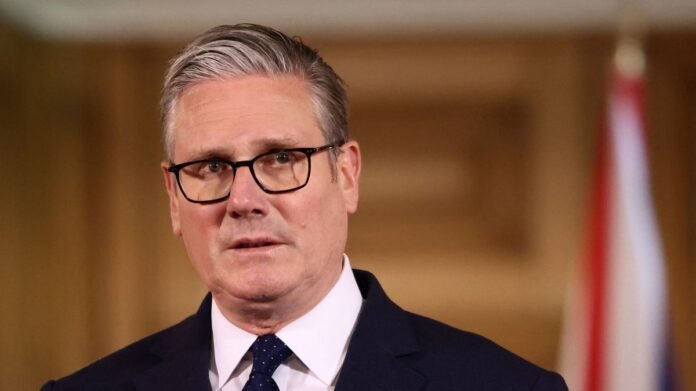

The latest poll results are not in Keir Starmer’s favor as Reform maintains its lead in England and a tight competition between Reform and Plaid Cymru in Wales threatens to push Labour into third place. Meanwhile, the SNP leads in Scotland with Nigel Farage’s party gaining ground on Labour.
Overall voter sentiment shows dissatisfaction with all political leaders, with Kemi Badenoch having the highest rating at -2, followed by Nigel Farage at -3, Ed Davey and Zack Polanski at -8, and Keir Starmer at a low -44.
Despite the focus on immigration, voters’ primary concern is the rising cost of living, overshadowing other issues like immigration and healthcare leading up to the local elections.
Labour acknowledges the cost of living crisis, with interventions such as freezing rail fares, increasing the national minimum wage, and reducing energy bills. However, voters feel disconnected from these efforts and attribute the economic challenges to the government, particularly due to the impact of the Iran war.
As Iran’s control over the Strait of Hormuz persists, wholesale energy prices surge, foreshadowing higher food prices and potential jet fuel shortages, adding to the strain on families.
Labour faces a tough challenge in the upcoming local elections to address voters’ economic anxieties amidst internal scrutiny over Starmer’s leadership and potential rivalries within the party. The party needs to demonstrate a deep understanding of voters’ concerns and a proactive approach to navigate through the challenging political landscape.
While some insiders may anticipate these challenges, the full impact is yet to be seen, and the party must remain focused on addressing voters’ priorities in the face of uncertainty.