
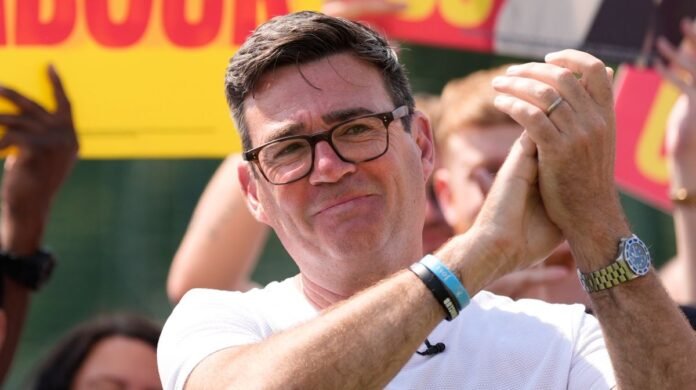

Last week, Andy Burnham made a notable entrance into Westminster amid a lively atmosphere. Following his strong victory in Makerfield, he was warmly greeted by Labour MPs in Westminster Hall, where they hailed him as a potential future Prime Minister.
However, with the fading heatwave, the practical side of politics is becoming apparent. Burnham and his small team face a tight deadline of just over three weeks to solidify a Government agenda, select his Cabinet, establish a new No10 team, and set up a communication strategy. Various stakeholders, including MPs, trade unions, and think tanks, are offering suggestions, while existing ministers are vying to retain their positions.
Currently, Burnham holds significant popularity in Westminster. Yet, the duration of his appeal hinges on his forthcoming actions. On Monday, Burnham is scheduled to unveil his vision for a Burnham administration during a crucial speech in Manchester. Central to his approach will be a significant decentralization of power away from Westminster, empowering mayors with new authorities and financing, along with a promise to establish a “No10 in the north.”
This theme is expected to permeate his leadership, influenced by his nearly decade-long tenure as Mayor of Greater Manchester, where he became acutely aware of regional disparities. Burnham advocates for a more equitable approach, aiming to reduce the dependency of local leaders on central funding allocations.
Drawing from recent history, promises of leveling up by previous leaders like Boris Johnson and Rishi Sunak have fallen short. Burnham, building on the groundwork laid by Keir Starmer’s government, must articulate detailed plans to validate his commitment to transformation.
Crucially, the specifics of his economic strategy will be pivotal, with his choice for Chancellor serving as a significant indicator of future policy directions. Ed Miliband, a key advisor to Burnham, is a prominent contender for the role, potentially signaling a more progressive agenda.
On the international front, Burnham’s stance remains ambiguous. While he is anticipated to align with the current government’s foreign policy on key issues, his emphasis is projected to be on domestic matters, differentiating him from his predecessor’s more globally-focused approach.
Selecting a Foreign Secretary will be another critical decision for Burnham. Speculation surrounds the return of former Foreign Secretary David Miliband to the fold, raising questions about the balance of power within the government.
Despite Burnham’s extensive political experience, including past Cabinet roles and his current mayoral position, his lengthy absence from Westminster presents a challenge. He faces a tight timeframe to finalize his plans, with Labour MPs cautiously optimistic about his potential, recognizing the risks involved in backing him.