

A government minister has expressed support for Keir Starmer amid public discontent over a policy reversal regarding the cancellation of local elections, cautioning against a return to the previous administration’s tumultuous governance.
Stephen Kinnock, serving in the health sector, acknowledged that the government’s abrupt decision to backtrack on delaying local council elections in May was less than ideal. However, he defended the Labour Party’s commitment to upholding the rule of law despite ministerial shifts in stance.
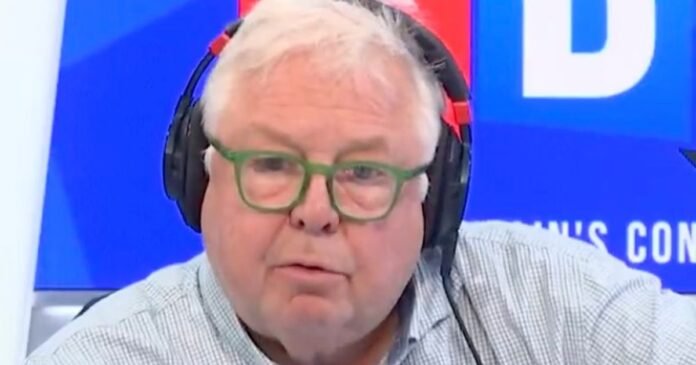
During a confrontational interview, LBC’s Nick Ferrari criticized the Labour government as disorganized and highlighted various governmental U-turns post-election, including issues concerning inheritance tax and compensation for WASPI women.
In an unexpected reversal, the Ministry of Housing, Communities and Local Government (MHCLG) announced the abandonment of plans to postpone votes until 2027 in 30 regions, impacting a significant number of constituents. This decision came following a legal challenge from Nigel Farage’s Reform UK, resulting in taxpayers covering the party’s legal expenses.
The move places additional pressure on Keir Starmer, who recently faced challenges to his leadership amidst fallout from the Peter Mandelson and Jeffrey Epstein controversies.
Addressing criticisms, Mr. Kinnock emphasized that the initial decision to delay elections was based on legal advice, which has since changed. While acknowledging the suboptimal nature of the situation, he reiterated the government’s commitment to operating within legal frameworks.
An MHCLG spokesperson confirmed the reversal, indicating that all affected councils have been informed of the reinstated elections scheduled for May 7. Notable cities such as Lincoln, Exeter, Norwich, Peterborough, and Preston were among those originally excluded from the ballot process.
Communities Secretary Steve Reed acknowledged the concerns raised by councils undergoing restructuring as part of extensive local government reforms, announcing additional financial support of £63 million for 21 affected local authorities.
The Association of Electoral Administrators highlighted the challenge facing councils in swiftly organizing the reinstated elections, emphasizing the complexity and time-sensitive nature of local elections compared to general elections. Electoral teams are now racing to make up for lost planning time while managing cost implications.