
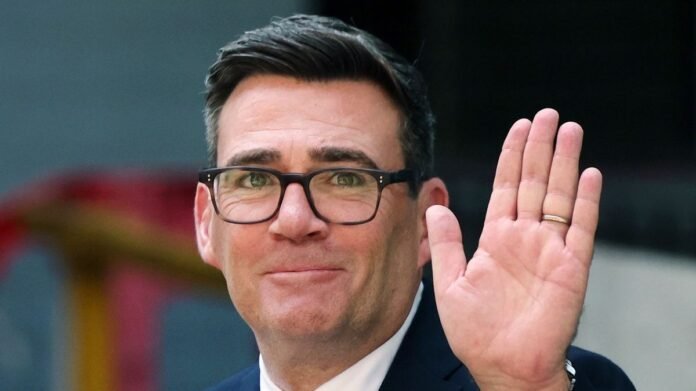

Andy Burnham is set to address the nation in his inaugural speech as Prime Minister, vowing to alleviate the financial strain on Britons. The new Labour leader is gearing up for a policy blitz in his first week in office to ease the burden on households facing financial constraints.
Acknowledging the political upheaval, Burnham steps into the role following Keir Starmer’s departure, emphasizing the need for stability and responsible governance. In his address, Burnham expresses awareness of the chaotic political landscape and advocates for a more steady and accountable approach.
Burnham emphasizes the importance of honesty about the country’s challenges and stresses the need for reflection and resolution. Deputy Labour leader Lucy Powell affirms Burnham’s intention to present a more ambitious vision for addressing the nation’s pressing issues, including the troubled social care sector.
The incoming Prime Minister is expected to convey a message of optimism and hope to the public, aiming to restore faith among voters. Burnham will officially assume office after Starmer tenders his resignation at Buckingham Palace, followed by the formation of his government and announcement of his top team.
Speculation surrounds key cabinet positions, particularly the Chancellor role, with Shabana Mahmood favored to replace Rachel Reeves. Burnham is also anticipated to receive congratulatory calls from world leaders, including US President Donald Trump, although reports about Burnham’s stance on oil and gas drilling remain unconfirmed.
Further reports suggest Burnham’s plans to address the struggling Thames Water company and his push for more public control over essential utilities. In a move to prioritize the cost of living, Burnham has scrapped Starmer’s digital ID program and announced ambitious council house building initiatives.
Burnham’s agenda includes devolving power from Westminster, with plans for a “No 10 North” office in Manchester, signaling a shift in governance focus. The establishment of No10 North receives praise as a strategic move to distribute power more evenly across the country, aiming for inclusive governance.