
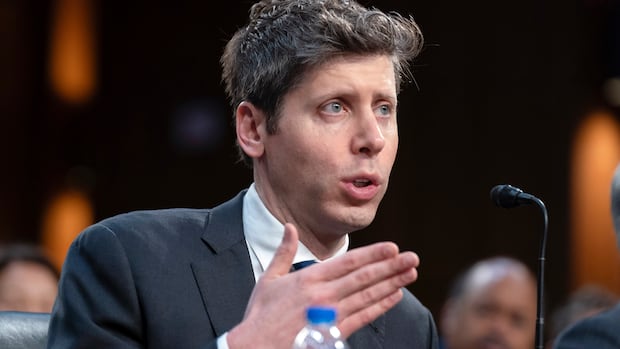

OpenAI is seeking the dismissal of over thirty lawsuits initiated in California by survivors and families of the victims from the Tumbler Ridge school shooting. These lawsuits allege that the tech company and its CEO could have averted the disaster.
In their motions to dismiss 37 actions filed in U.S. district court, OpenAI’s legal team argues that any legal proceedings concerning the casualties should occur in British Columbia.
The organization asserts that it will defend itself against what it considers “unfounded claims,” while emphasizing that both public and private interests would be better served by having the case adjudicated by a judge in B.C.
“California is not the most suitable venue for claims by British Columbians harmed by a British Columbian in British Columbia,” the dismissal motion states.
“British Columbia clearly represents a viable and sufficient alternative forum, thus the essential questions… concern where the parties can access evidence and which venue has more significant interests. The answer to both is British Columbia.”
On February 10, Jesse Van Rootselaar, an 18-year-old, fatally shot eight individuals—six of whom were children—before taking her own life.
Following the tragedy, inquiries into the shooter’s interactions with health care services and law enforcement emerged, focusing on OpenAI in light of media reports regarding Van Rootselaar’s use of ChatGPT.

Tumbler Ridge Secondary School is depicted on February 11, 2026, the day following the school shooting. (Ben Nelms/CBC)
The initial lawsuits against OpenAI and CEO Altman were lodged in California last spring, where the company is based, with additional claims surfacing earlier this month.
The allegations contend that “ChatGPT contributed to the mass shooting and that OpenAI could have and should have intervened.”
The plaintiffs assert that the company flagged the shooter’s ChatGPT account for “gun violence and planning” eight months prior to the incident, but after a contentious internal discussion, opted not to alert authorities.
They claim to be suing both Altman and OpenAI “for creating a hazardous product, disregarding the warnings from their own safety team, failing to notify authorities when they were aware the shooter was plotting a mass attack, allowing her to return to the platform after her account was deactivated, and prioritizing profit over the safety of Tumbler Ridge’s children.”
‘Forum non conveniens’
Over the past two weeks, OpenAI has submitted similar motions to dismiss several lawsuits, invoking a legal principle known as “forum non conveniens” to assert that British Columbia is the suitable jurisdiction for any legal actions related to the Tumbler Ridge shooting.
The company emphasizes that most evidence resides in British Columbia, along with the majority of potential witnesses.

OpenAI argues that a courtroom in B.C. would be the logical venue for any legal proceedings linked to the Tumbler Ridge shooting. (Peter Scobie/CBC)
Furthermore, OpenAI asserts that British Columbia possesses a “uniquely strong sovereign interest in resolving these matters locally.”
The dismissal motion contends that the lawsuits will necessitate a review of the involvement of “Canadian law enforcement, firearms regulations, and British Columbia institutions in the circumstances leading up to the shooting.”
OpenAI indicates that the cases would intersect “with Canada’s ongoing assessment of its own institutions and policy decisions.”
“The jury may need to ascertain, among other issues, whether Canadian law enforcement acted appropriately in returning firearms to the residence of a mentally unstable teenager who had recently committed arson in an attempt to harm her family and had been involuntarily hospitalized multiple times under British Columbia’s mental health laws,” the legal documents state.
“The standard of care may hinge upon Canadian and British Columbia laws and community practices — which differ from those in California.”
Claims are ‘not viable’
Regardless of where the lawsuits are eventually heard, OpenAI plans to contest the allegations.
“[The] legal claims — attributing responsibility to OpenAI for a tragic mass shooting by a severely troubled adolescent after systemic failures by law enforcement, mental health care, and educational institutions in her community — are not viable,” the dismissal motion asserts.
“Moreover, the claims against Samuel Altman, who was not personally involved in the June 2025 review of the shooter’s ChatGPT account or the subsequent decision not to refer her account to Canadian law enforcement, are also unfounded.”
In light of revelations regarding the shooter’s ChatGPT usage, Altman apologized to the community of Tumbler Ridge and stated that the company has revised its protocols.
The government of British Columbia is also preparing to take legal action against OpenAI and has since demolished the site of Tumbler Ridge Secondary School.