
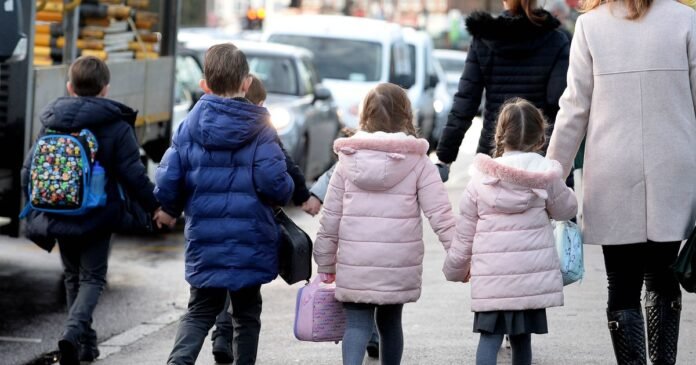

A significant milestone was achieved as Members of Parliament voted to eliminate the two-child benefit restriction, known for trapping children in poverty. The vote, with a result of 458-104, signals a crucial step in dismantling a policy that has been criticized for depriving children of basic necessities like food and heating. Despite opposition from Nigel Farage’s Reform party and Kemi Badenoch’s Conservatives, the decision was made to scrap the policy starting April, aiming to uplift 450,000 children out of poverty.
The two-child limit, introduced in 2017 by George Osborne, restricts Child Tax Credits and Universal Credit to only the first two children in a household. This move to abolish the cap was made during a second reading, with one more Commons vote required for the bill to pass.
In response to the vote, Secretary of State for Work and Pensions, Pat McFadden, emphasized the importance of addressing child poverty, stating that the decision would positively impact the lives of children by providing them with better opportunities for education, health, and future contributions to society.
Despite resistance from Nigel Farage, Members of Parliament like Robert Jenrick and Suella Braverman supported the bill, deviating from the Reform party’s stance during the vote.
During the debate, Labour MPs called on the Government to be more ambitious in tackling child poverty, with the Work and Pensions Committee Chairwoman Debbie Abrahams welcoming the bill to eliminate the two-child benefit cap but describing it as just a starting point. The focus remains on further measures to address the larger percentage of children still living in poverty.
Helen Hayes, the Education Committee Chair, stressed the need for comprehensive action to combat child poverty, addressing issues such as housing costs, temporary accommodation, food and energy expenses, family support, and an effective education system to ensure all children have the opportunity to thrive.