
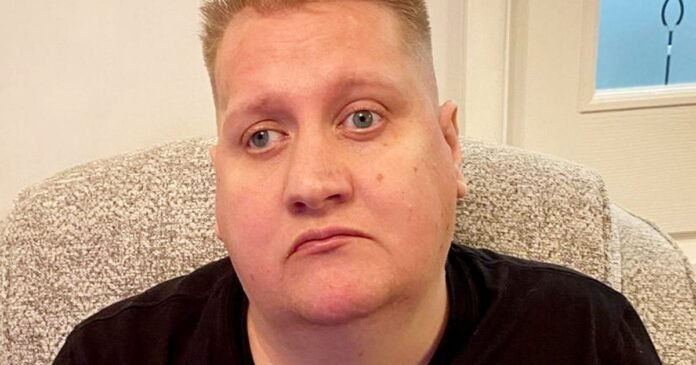

A patient with a brain tumor, mistakenly treated with chemotherapy for eight years instead of six months, is now suing the NHS due to enduring irreversible neurological damage. David Bown, aged 41, received temozolomide from University Hospitals Coventry and Warwickshire NHS Trust, which is embroiled in a controversy over unnecessary chemotherapy administration.
Initially a healthy IT systems manager and avid footballer, David started experiencing seizures a decade ago, leading to the discovery of a low-grade brain tumor. Following surgery to remove the tumor, a critical MRI scan was overlooked within 48 hours, neglecting to identify life-threatening complications.
Four days later, when a scan finally took place, David was not promptly sent for emergency surgery despite evidence of brain bleeding and swelling. Consequently, he suffered a stroke and fell into a coma, necessitating urgent surgery to extract a blood clot, insert a drain, and perform further tumor resection.
Although the surgery alleviated brain pressure and removed fluid, legal representatives argue that delayed scans and surgical interventions failed to prevent irreversible brain damage. Subsequently, David was put on temozolomide chemotherapy for over eight years, exceeding the six-month guideline, as per independent experts.
This prolonged chemotherapy regimen exposed David to unnecessary risks, such as an elevated likelihood of secondary blood cancers. Presently, he grapples with substantial cognitive and visual impairments, relying on daily assistance from his parents for medication management, meal preparation, and appointments.
Additionally, David now battles depression, directly correlated with the extensive and debilitating treatment period. The litigation team asserts that the inadequacies in his care—from consent procedures to surgical planning, delayed complication recognition, and prolonged, unsuitable chemotherapy—have profoundly and irreversibly impacted his life.
Fiona Tinsley, a partner at Brabners representing the family, emphasized that the string of failures has deprived David of his future, independence, and health. The law firm has unearthed further evidence pointing to harmful cancer treatments at University Hospitals Coventry, prompting over 30 patients to initiate legal actions.
The discovered evidence hints at broader patterns of harm and systemic care issues within the trust, involving various medical professionals. Fiona stressed the devastating repercussions of these failures, ranging from physical and psychological harm to financial losses and diminished quality of life for affected patients.
In response, a spokesperson for University Hospitals Coventry and Warwickshire NHS Trust expressed commitment to providing the safest patient care possible, refraining from further comments due to the ongoing legal proceedings.