
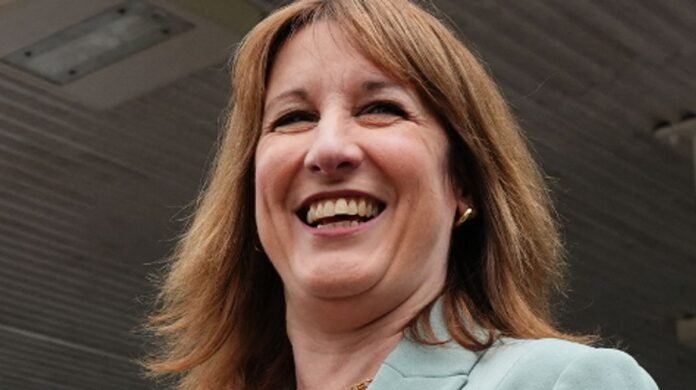

Rachel Reeves is scheduled to present the Government’s strategy to address the rising cost of living today, putting pressure on the Chancellor amidst concerns about energy bills and food prices.
Reeves, who faced heckling from a member of the public yesterday, will outline the cost of living initiatives to Members of Parliament at the House of Commons later this morning, expected to begin around 11:30 am. She has hinted at several potential policies, such as offering free summer bus rides for children and reducing tariffs on certain food imports.
Ahead of her speech, Reeves stated, “My top priority is shielding households from escalating expenses. This summer, I aim for every family to have a good time, which is why we are launching the Great British summer savings scheme and providing free bus travel for kids throughout August.”
The Prime Minister has also discussed the Government’s approach to tackling the cost of living crisis, disclosing Labour’s plan to grant British hauliers a 12-month tax holiday for their vehicles.
During Prime Minister’s Questions, he declared, “We are granting hauliers a 12-month vehicle tax break to help control prices and supporting drivers by extending the freeze on fuel duty for the remainder of the year.”
Additionally, part of the strategy involves reducing duty on red diesel used by farmers by one-third. The overall package aims to establish a “Great British summer savings scheme” to counter the impact of the US-Israeli conflict with Iran, which has disrupted global oil prices, affecting the global economy significantly.
Critics, including the Resolution Foundation, swiftly opposed the decision to cut fuel duty for UK farmers, arguing that high-income households are likely to benefit the most from this action.
Jonathan Marshall, the organization’s principal economist, highlighted that families are still nearly £2,000 worse off due to energy price changes, with the policy favoring those who are more affluent.
Reeves is expected to reject the idea of large unfunded spending commitments that would offer universal support for energy bills this winter.
The economic aftermath of the Iran conflict has disrupted the nation’s improving financial status, prompting the Chancellor to avoid repeating past promises that could have negative long-term consequences for families.