
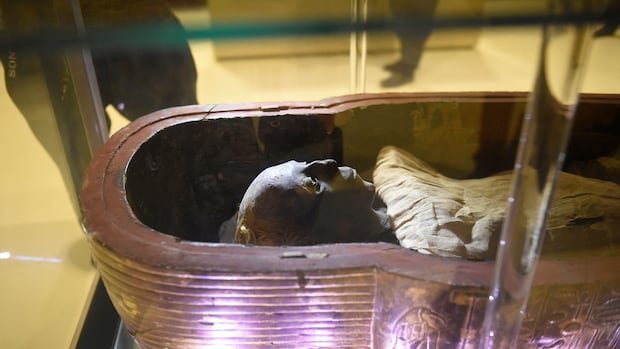

While it may seem unusual, researchers have found a thriving global market for preserved human remains being sold online, a niche interest that carries potential health risks, according to a recent study. The study, led by Kirsty Squires, a bioarchaeology professor at the University of Staffordshire in England, examined 128 online listings from 2015 to 2025 showcasing human and animal remains for sale.
The study revealed that mummified heads, hands, and feet were commonly advertised. Such preserved body parts may harbor dormant microorganisms like bacteria, fungi, and yeast, which could pose health risks if not handled properly. However, some experts suggest that collectors who are knowledgeable about proper handling techniques may not face significant concerns.
Guidelines for Safe Handling of Mummified Remains
Squires noted that many online images displayed signs of deterioration due to poor storage conditions. Unlike in museums where mummies are stored under controlled temperature and humidity, privately held remains may lack such regulated environments, potentially leading to the release of harmful fungal spores and bacteria during handling.
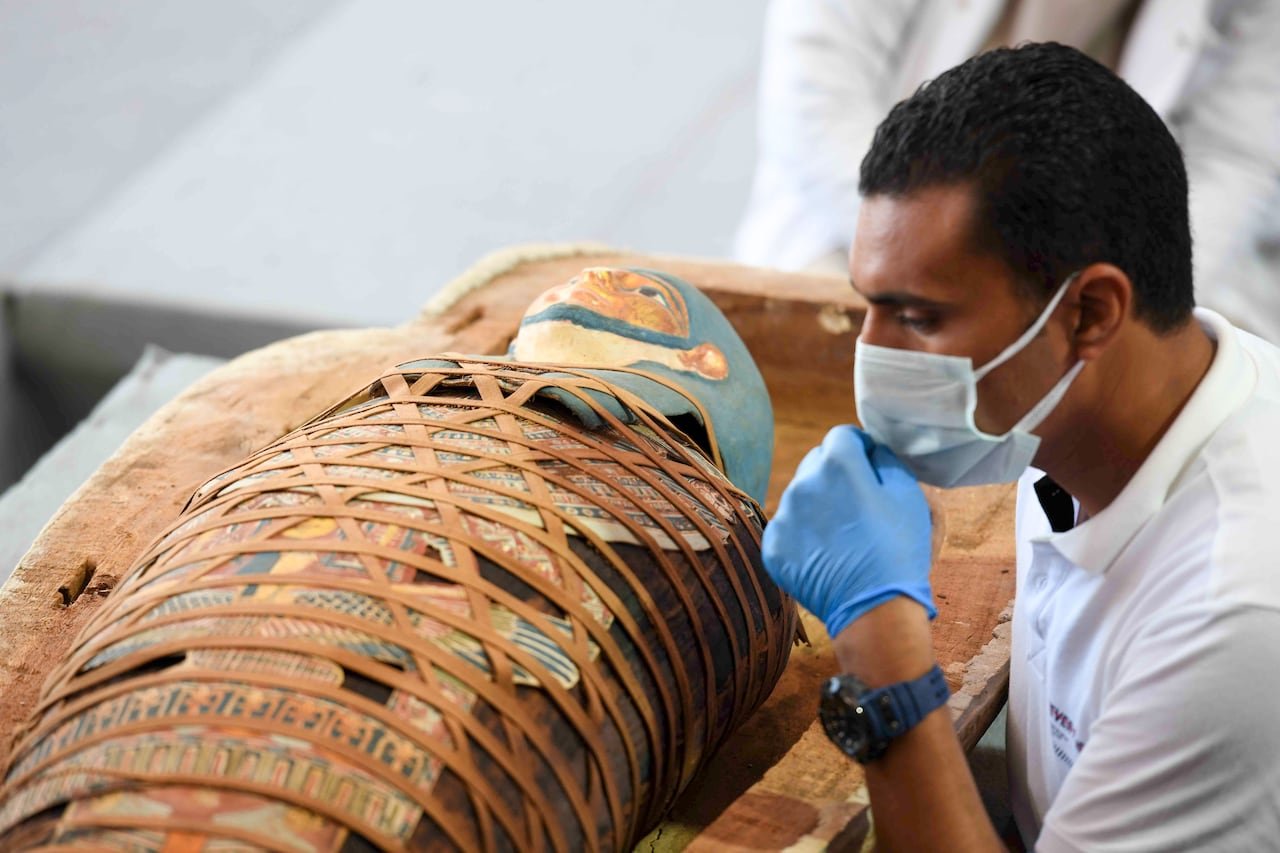
When handling human remains for research, Squires emphasizes the importance of using protective gear to prevent potential exposure to airborne microorganisms. Some mummified body parts may also contain harmful chemicals like arsenic and mercury from past embalming practices.
Historical Incidents and Risks
While the study did not report specific cases of illness from handling online-sold human remains, historical incidents serve as cautionary tales. In the past, exposure to fungal spores from ancient tombs has led to fatal outcomes. For instance, the study mentions the deaths of conservation scientists in 1973 after inhaling mould spores from a 15th-century tomb.
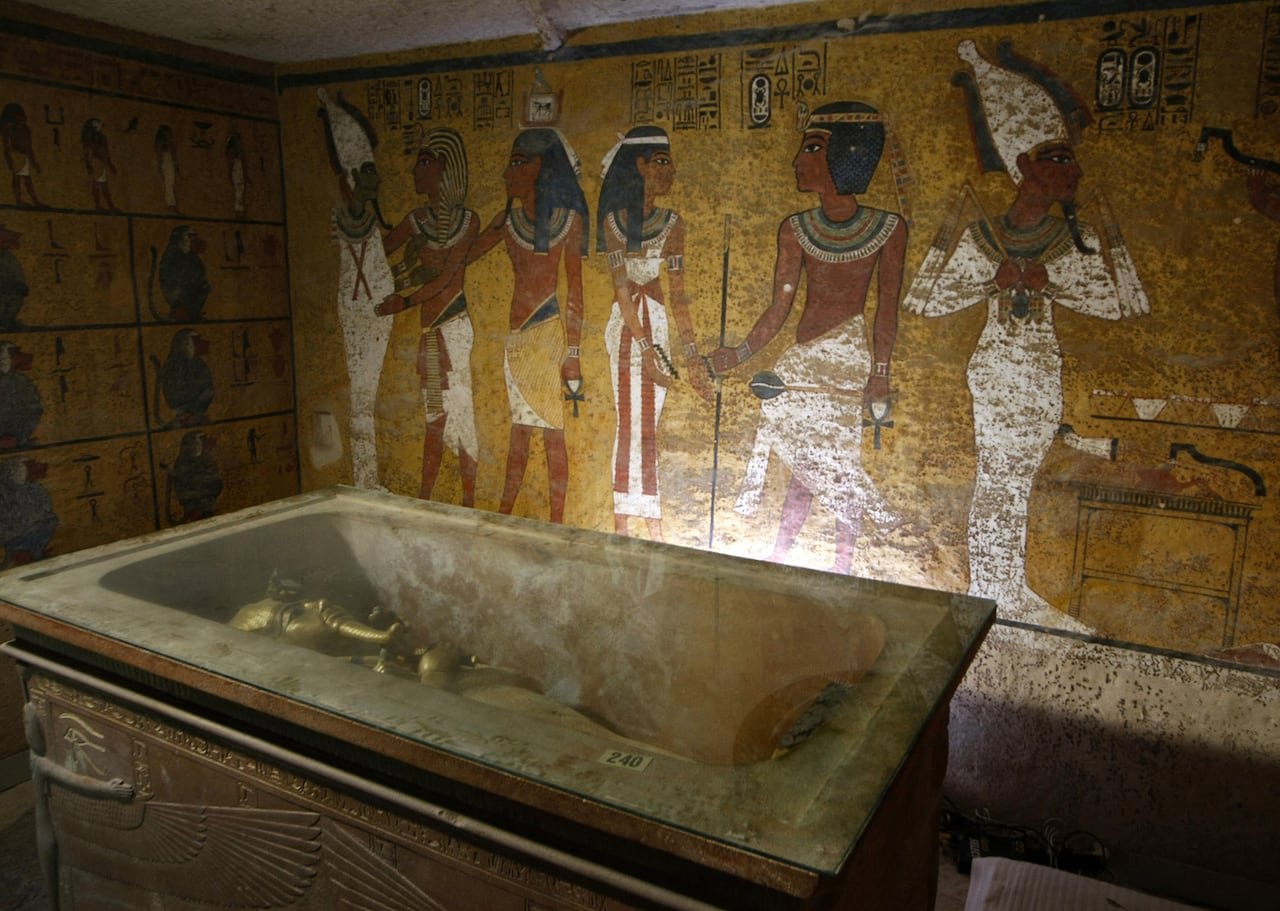
Moreover, speculation surrounds the death of Lord Carnarvon in 1923, who funded the Tutankhamun excavation, with some attributing his demise to exposure to airborne fungal spores inside the burial chamber.
James Scott, a public health professor, cautions against the ethical implications of trading in human remains, expressing more concern about the ethical aspects rather than health risks associated with handling mummified remains.
Insights into Canada’s Market for Mummified Remains
Among the online listings analyzed in the study, 11 originated from Canada. According to Shawn Graham, a digital archaeology professor, the presence of Canadian sellers is not surprising, highlighting the lack of meaningful regulations governing the trade of human remains in the country.
While Canadian authorities like the Border Services Agency and postal services enforce restrictions on shipping mummified human remains, sellers can exploit loopholes by mislabeling packages. This poses risks to postal workers and anyone handling damaged packages containing human remains.