
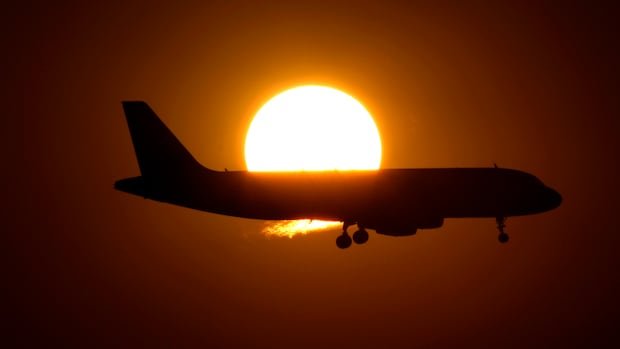

A recent study reveals that flight attendants and pilots face a higher risk of radiation-related cancers compared to individuals working with radioactive materials. Cosmic radiation, originating from space and more prominent at high altitudes where aircrews operate, poses a health concern for frequent fliers, especially pilots and flight attendants.
The study, published in JAMA Internal Medicine, analyzed data from over 12 million death certificates to investigate cancer death rates associated with radiation exposure. Findings indicated that among more than 500 occupations, flight attendants had the highest proportion of deaths from radiation-related cancers, followed by pilots. Both groups exhibited elevated odds of succumbing to various radiation-linked cancers but showed no increased rates for non-radiation-related cancers.
The researchers noted that lifestyle or socioeconomic factors were not responsible for the excess cancer deaths among aircrews. Instead, occupational radiation exposure, including cosmic ionizing radiation at cruising altitudes, UV-A radiation penetrating cockpit windows for pilots, and circadian rhythm disruption from shift work and time zone changes, likely contributed to the observed elevated risk.
The study challenges the belief that flight crews’ increased risk of skin cancers stems from sun exposure during layovers. It suggests that factors like tight schedules, reduced layover times, and prolonged cockpit exposure might play a more significant role in elevated skin-cancer rates among pilots.
Notably, flight attendants faced a 50% higher likelihood of dying from radiation-related cancers than the general working population, while pilots had a 36% higher risk. The study’s authors acknowledged limitations related to quantifying individual exposure levels and potential misclassification of occupations on death certificates.
Furthermore, the study highlighted the challenge of assessing the combined impact of cosmic radiation, UV-A light exposure, and circadian disruption on aircrews’ health. It also underscored the importance of recognizing the potential role of disrupted circadian rhythms in exacerbating cancer risks among flight personnel.
Given the findings, health experts recommend regular skin examinations for aircrew members exposed to high altitudes, suggesting early or more frequent mammograms for women in these professions. Additionally, healthcare providers attending to pilots and flight attendants should maintain a vigilant stance towards cancer detection and management.
The study’s outcomes call for a more comprehensive approach to addressing radiation exposure risks faced by aircrews, emphasizing the need for increased awareness, monitoring, and preventive measures in the aviation industry.