

Illegal working arrests have surged over the past two years, as reported by the government, with a more than doubling in numbers. The Home Office disclosed that since July 2024, there have been 17,000 arrests, marking a significant 122% increase compared to the previous period. Home Secretary Shabana Mahmood emphasized that individuals working illegally in the UK and rogue employers are now facing intensified scrutiny.
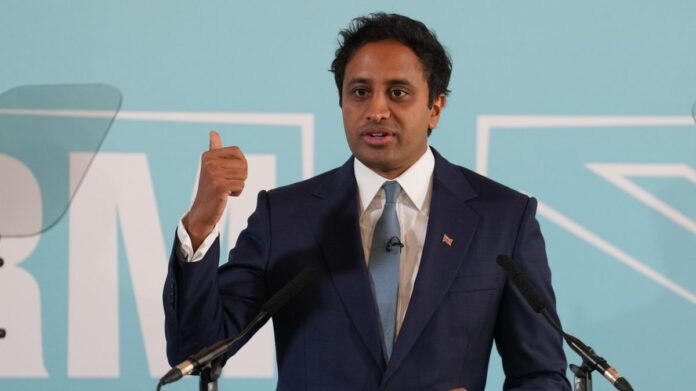
Reform UK’s Zia Yusuf faced criticism for a recent proposal related to illegal working, which was perceived as a diversion from other issues. The plan, dubbed a ‘Deliveroo law,’ aimed to address illegal employment practices but was ridiculed for its redundancy as existing laws already cover such offenses.
Recent data highlights a 50% rise in the deportation of individuals arrested for illegal working, totaling 2,357 deportations since the general election. During a week-long enforcement operation, Immigration Enforcement visited over 900 locations, resulting in 269 arrests, including 57 individuals connected to small boat arrivals.
Acknowledging the increase in enforcement efforts, Home Secretary Mahmood stated that the government has allocated additional resources to Immigration Enforcement, reaching the highest enforcement level in British history. She emphasized that illegal workers and unscrupulous employers are facing a crackdown with no place to escape.
Reform’s Yusuf vowed stricter penalties for employers hiring illegal migrants if his party gains power, although such penalties already exist under current legislation. The proposal sparked a swift response from Lib Dem’s Max Wilkinson, who labeled Yusuf’s initiative as unnecessary and highlighted the existing legal framework.
Moreover, Mahmood pledged to tighten regulations on the ‘gig economy,’ particularly in the delivery sector. Starting in October, companies like Deliveroo will be mandated to verify the eligibility of all their workers in the UK. Non-compliance could lead to fines up to £60,000 per individual, director disqualifications, and potential prison terms up to five years. The Home Secretary also announced plans to double the Immigration Enforcement budget by 2029, expecting a 60% increase in staff.
Reform’s tactics of making attention-grabbing migration announcements have drawn criticism, with accusations of sensationalism. Despite attempts to introduce stringent measures, challenges and controversies persist, exemplified by recent clashes with the French government over interception plans involving the Royal Navy.
In response to these developments, a Deliveroo spokesperson stressed the company’s commitment to combatting illegal working through rigorous verification processes and advanced fraud-detection technologies. Labour’s Bridget Phillipson condemned Reform’s strategies as diversionary tactics, pointing out the ongoing efforts by the current government to combat illegal employment practices.
Nigel Farage, amidst controversies and legal probes, continues to face challenges in the political arena, including investigations into undisclosed donations and potential ethical breaches. The evolving landscape of immigration enforcement and political strategies underscores the complexity and urgency of addressing illegal working issues.