
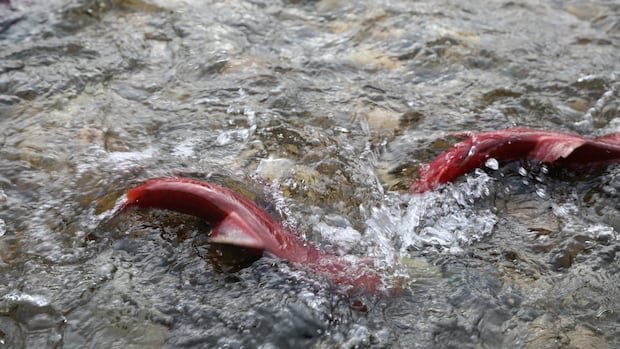

The Salmon River protection order in British Columbia has been lifted temporarily, just weeks after it was initially implemented, impacting over 450 water licenses. The order was imposed on July 28 during dry conditions to conserve water and safeguard fish populations. It affected 456 water licenses, limiting the irrigation of crops like hay, alfalfa, and forage corn, as well as certain industrial and lawn uses.
Despite voluntary conservation efforts, the Salmon River has continued to have low streamflow levels, prompting the protection order to protect Chinook salmon during the drought. Water Minister Randene Neil stated that farmers and ranchers opposed the order, expressing the need for access to the watershed during high wildfire risk periods.
The ongoing exceptional drought conditions in British Columbia have resulted in significant challenges, particularly for salmon habitats in the southern Interior. Jason Hwang from the Pacific Salmon Foundation highlighted concerns about the low river flow affecting the Chinook salmon population in the Salmon River. He emphasized the potential long-term consequences for salmon populations over the next five years and beyond.
While acknowledging the importance of protecting aquatic ecosystems, Hwang emphasized the priority of safeguarding communities during such environmental crises. Kevin Boon, the general manager of the B.C. Cattlemen’s Association, stressed the critical role of irrigation not only for crops but also for creating fire buffers around properties to prevent wildfires.
Ranchers are carefully managing irrigation to balance the needs of agriculture with environmental concerns, ensuring river flows are sufficient for fish habitats. Hwang urged both individuals and the government to learn from the current situation and focus on optimizing water storage, usage, and efficiency for future seasons.