

President Donald Trump narrowly averted a potential conflict with Iran by backing away from military action just an hour and a half before the deadline. While his strong rhetoric may have been a negotiating tactic, the outcome of five weeks of tension is a temporary two-week ceasefire, leaving uncertainties about long-term peace. Despite the disruption caused by the conflict, Iran’s regime, with its nuclear program intact, remains in power and has shown resilience against the military pressure from the United States.
The strategic importance of the Strait of Hormuz, controlled by Iran, is highlighted as a significant leverage point for the nation. By controlling the flow of oil and gas through this vital waterway, Iran has a powerful bargaining chip in global affairs. The potential economic gain from charging vessels to use the strait, termed the “Tehran Toll Booth,” could provide Iran with substantial revenue.
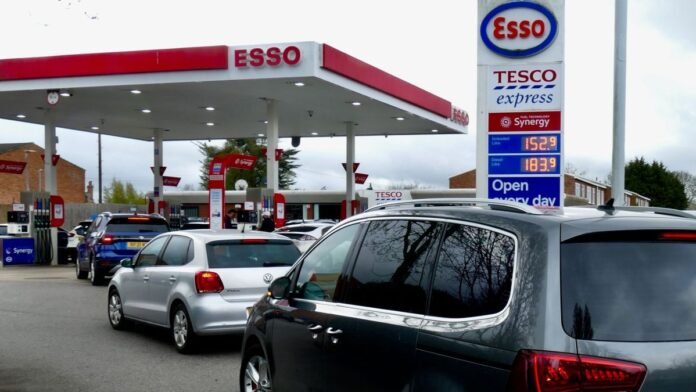
The ceasefire agreement is expected to have a positive impact on oil prices, which have surged due to the conflict. However, prices are likely to remain above pre-conflict levels, affecting household budgets, especially in the UK where the crisis has led to concerns about “Trumpflation.” While a decrease in oil prices is anticipated following the ceasefire, it may take time for prices to return to pre-crisis levels.
The implications of the conflict extend beyond oil prices, with expectations of increased household gas and electricity costs in the coming months. Industry experts predict a rise in the price cap for energy supplies, which could further strain consumers’ finances. The long-term effects of the crisis on global energy markets and inflation rates are expected to persist, impacting individuals and economies worldwide.
As the ceasefire holds, there is hope for stability and the potential for a lasting peace agreement. However, the damage to oil facilities in the Gulf and the broader economic repercussions are likely to have lasting effects on markets and consumers. The resolution of the crisis will be crucial in determining the future trajectory of energy prices and economic stability for nations affected by the conflict.