
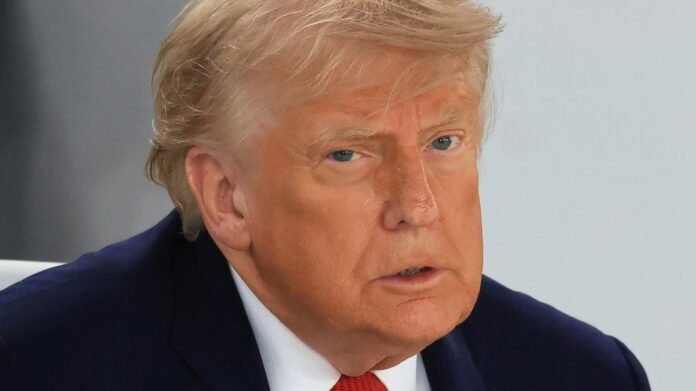

US President Donald Trump has frequently drawn parallels between his approach to Iran and that of his predecessor, Barack Obama. He has criticized the 2015 Joint Comprehensive Plan of Action negotiated under Obama, deeming it a “bad deal” that could lead to Iran acquiring nuclear weapons. However, Trump’s actions in waging war on Iran have disrupted global stability, impacted the world economy, and resulted in significant loss of life.
A comparison between Obama’s JCPOA and Trump’s handling of Iran reveals stark differences and potential outcomes of any agreements. Trump’s aggressive stance on Iran has showcased Tehran’s ability to disrupt global energy trade by potentially closing the vital Strait of Hormuz. This approach has emboldened Iran and heightened its aggressiveness, moving further away from a potential nuclear deal.
The JCPOA, which Trump withdrew from in 2018 and was supported by the UK, France, and Germany, focused on stringent monitoring of Iran’s nuclear activities. It aimed to prevent Iran from obtaining nuclear weapons in exchange for easing some economic sanctions. In contrast, Trump’s approach has involved significant concessions, including substantial sanctions relief and financial reparations to Tehran.
The repercussions of Trump’s actions extend beyond diplomatic concerns. The increased fuel prices in the West have impacted many, while rebels in Iran face severe consequences, including death squads and torture. Trump’s promises of assistance to these rebels have not materialized, leaving them vulnerable to dire circumstances.
Furthermore, Israel, which had reservations about Obama’s JCPOA due to its reliance on Tehran’s cooperation, strongly opposes Trump’s deal. The agreement excludes Israel from negotiations and could hinder its ability to combat groups like Hezbollah. The ramifications of Trump’s policies have far-reaching effects on various actors in the region and beyond.