
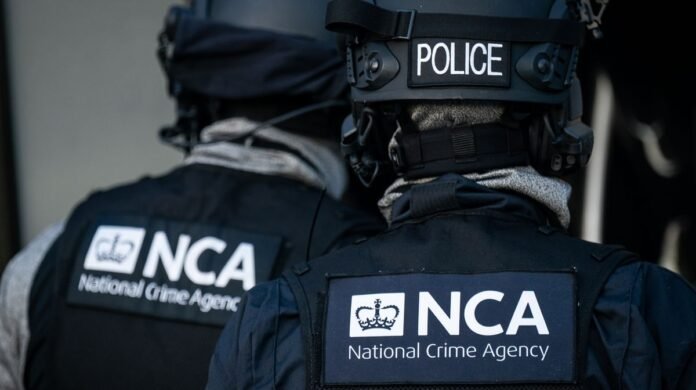

British authorities are urging for enhanced safeguards for children on the internet after revealing that over 90% of removed child sexual abuse material is created by the victims themselves.
The National Crime Agency (NCA) highlighted these alarming statistics while cautioning that the current online landscape poses significant risks to children. The NCA disclosed that it received nearly 100,000 reports of online child sexual abuse in 2025, marking a fourfold surge compared to six years ago.
It is estimated that around 840,000 adults in the UK present a sexual threat to children, with instances of children being lured by strangers on various online platforms. One disturbing case involved the identification of 320 victims in a ‘sextortion’ network comprising 6,000 members.
This network preyed on schoolgirls by deceiving them into sending explicit images, followed by threats to distribute the content unless more images were provided. The exploitation escalated to include severe abuse such as degrading acts and self-harm livestreamed.
Graeme Biggar, the Director General of the NCA, emphasized the unsafe nature of the online environment for children, citing the staggering volume and severity of child sexual abuse cases. Tech companies reported 400 suspected instances of online child sexual abuse daily in the UK, with cases increasing in both number and severity, involving younger victims.
Biggar stressed that children creating and sharing explicit images through devices, including encrypted services, contribute to various forms of child sexual abuse offenses like grooming, extortion, and self-generated content. Implementing controls on children’s devices presents an opportunity to shield children and prevent offenses at the source.
The NCA’s push for improved online child protection follows Technology Secretary Liz Kendall’s statement to the Sunday Mirror, advocating for “drastic” measures to safeguard children. Kendall suggested the possibility of banning social media for individuals under 16, hinting at restrictions on popular apps like TikTok, Snapchat, and Instagram.
She highlighted the overwhelming support from parents for a social media ban for under-16s, reflecting concerns about the negative impact of social media on children. The strong parental response underscores the urgent need for intervention to ensure children’s safety online.