
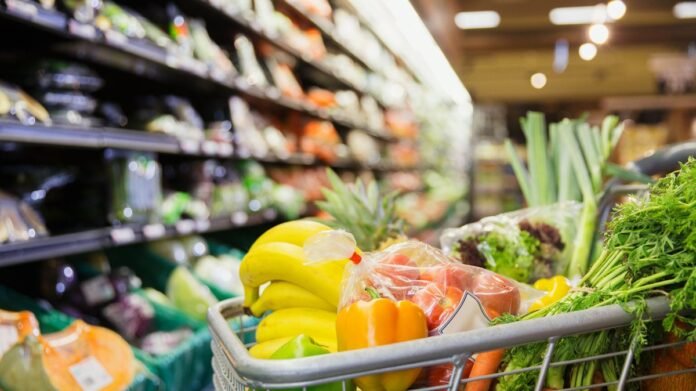

UK supermarkets are facing concerns about the potential implementation of “dynamic pricing” strategies within their stores. Dynamic pricing involves adjusting prices in real-time based on market demand and supply levels. This practice sparked outrage among Oasis fans when ticket prices surged for the band’s comeback concerts last year.
A recent report by the Bank of England highlighted the possibility of using electronic shelf labels, which can instantly update prices, for future dynamic pricing in retail. Several major UK supermarkets, such as Co-op, Morrisons, and Waitrose, have already adopted electronic shelf labels.
Clare Lombardelli, deputy governor for monetary policy at the Bank of England, mentioned that some industries are experimenting with technology that could facilitate dynamic pricing, including supermarkets with electronic shelf labels that are widely used across Europe.
Despite these developments, the British Retail Consortium, representing over 200 retailers, stated that there are currently no plans for supermarkets to introduce dynamic pricing. Andrew Opie, Director of Food & Sustainability at the BRC, clarified that supermarkets do not intend to implement dynamic pricing and emphasized their commitment to providing value to customers through efficient pricing practices.
Thomas Hill, co-founder at HyperFinity and former Asda pricing lead, reassured consumers that dynamic pricing is not imminent in the grocery sector. He explained that electronic shelf-edge labels primarily serve as a cost-saving measure for retailers, streamlining price updates and operations without impacting essential items like bread, milk, and cheese.
While grocery price inflation remained at 4.3% in March, industry experts predict a potential increase in food prices. The Food and Drink Federation anticipates food inflation could exceed 9% by the end of 2026, driven by rising energy costs affecting food production expenses.
To address consumer concerns about rising costs, government officials, including Rachel Reeves and Energy Secretary Ed Miliband, engaged in discussions with supermarket leaders from Tesco, Sainsbury’s, and Aldi. The government aims to collaborate with retailers to alleviate the cost of living for consumers and enhance supply chain resilience.
In conclusion, while dynamic pricing remains a topic of interest in the retail sector, supermarkets in the UK currently prioritize maintaining competitive prices and value for customers, steering clear of implementing dynamic pricing strategies for essential goods.