

In a fictional scenario set in April 2029, the UK finds itself under the leadership of Prime Minister Nigel Farage, while facing internal divisions among its united kingdoms. Termed as the “turquoise trap,” the nation is witnessing the rise of an AI-driven “Thatcher 2.0” government.
The recent local elections serve as a stark wake-up call not only for the Labour Party but for the entire populace. There are concerns that within the next three years, fueled by household insecurities and a politics of grievance, the country could veer sharply to the right, emphasizing the urgency for a change in direction.
Despite past attempts at change through events like Brexit and the election of Boris Johnson, the populace feels disillusioned as their desired transformations have not materialized. The public’s faith in politicians, already waning, is further eroded by figures like Peter Mandelson, who paint Labour as part of the status quo.
While Labour has made notable strides in enhancing workers’ rights and supporting struggling families, there is a lack of a cohesive vision to unite these accomplishments. The party’s focus on incremental improvements rather than transformative change has left many feeling stuck in a cycle of stagnation.
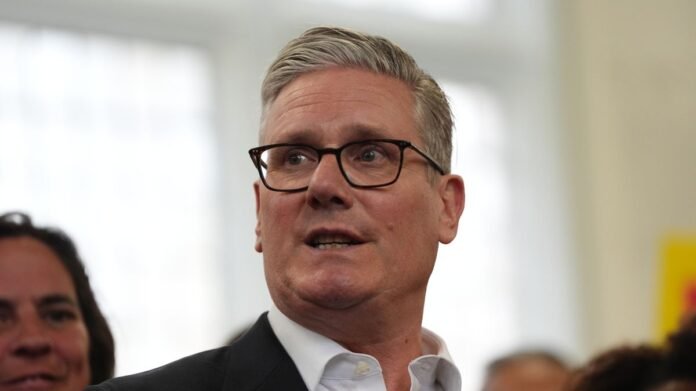
Amidst global challenges and internal struggles, Labour faces a critical juncture where decisive action is imperative to avoid a potential electoral disaster. The Prime Minister, Keir Starmer, must navigate a political landscape dominated by populism and adapt to the demands of a rapidly evolving era.
As the Labour Party stands at a crossroads, the need for a strategic shift in approach is paramount to avoid being overtaken by the rising tide of opposition. The party must embrace change and unity, regardless of who leads them, to secure a viable future. The current situation mirrors a pivotal moment for Labour, requiring swift action to prevent a catastrophic electoral outcome.