
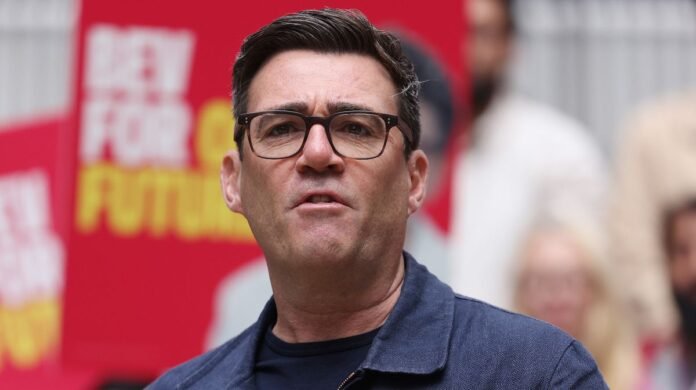

An effective way to finance Andy Burnham’s proposed social care reforms could be through an estate levy, as the deceased cannot carry their wealth beyond. Inheritance tax, often seen as a fortunate obligation for heirs with substantial estates, might be a solution to share the financial burden, particularly for those with significant assets.
Introducing a 10% social care surcharge, a concept previously considered by Burnham, could still leave beneficiaries with substantial unearned wealth. This levy could potentially generate more funds compared to depleting personal savings or selling properties to cover expensive elderly care services.
Critics of reform, including those opposed to using taxes for free care, may not offer viable alternatives. Pay-as-you-go options could be more cost-effective for many families, ensuring a larger portion of the estate remains intact for inheritance, rather than risking substantial losses due to care costs exceeding certain thresholds.
While an inheritance tax is one option, other proposals suggest reshaping private pension subsidies to increase relief for lower and middle-income earners while reducing it for higher earners. Adjusting Capital Gains Tax rates or implementing an annual wealth tax on super-rich individuals could also generate substantial revenue for funding social care initiatives.
Establishing a National Care Service alongside the NHS to provide free care where necessary could be a significant milestone in healthcare provision. The political landscape, with rising support for Burnham’s Labour Party and strategic voting dynamics, could potentially reshape future elections and influence policy directions.