

Amid the impending U.S. 50% tariff deadline, numerous British Columbia businesses are grappling with concerns over the potential repercussions on their financial stability.
Blaine Maryniuk, the co-founder of West Coast Walls, expressed that the situation poses a significant threat to their existence. Maryniuk highlighted that a substantial portion of their monthly sales, ranging from 25% to 50%, is directed towards the United States, leading to constant worry.
As the deadline approaches, Prime Minister Mark Carney emphasized the delicate and intense nature of the ongoing negotiations with the United States, underscoring the gravity of the situation.
In a bid to evade the planned Section 338 tariffs and reduce the existing Section 232 tariffs on various industrial goods, Canada-U.S. Trade Minister Dominic LeBlanc and chief trade negotiator Janice Charette engaged in a series of discussions with U.S. Trade Representative Jamieson Greer over the past three weeks. The U.S. justifies its tariff imposition by citing Canadian discrimination in sectors like automobiles, dairy, and alcohol.
The latest set of proposed levies specifically target wood products, posing a significant risk to British Columbia, which is highly exposed to this industry. Kelly Marciniw, a board member of the B.C. Log & Timber Building Industry Association, highlighted the potential for layoffs and survival challenges for businesses, emphasizing the administrative burden and uncertainty associated with tariffs.
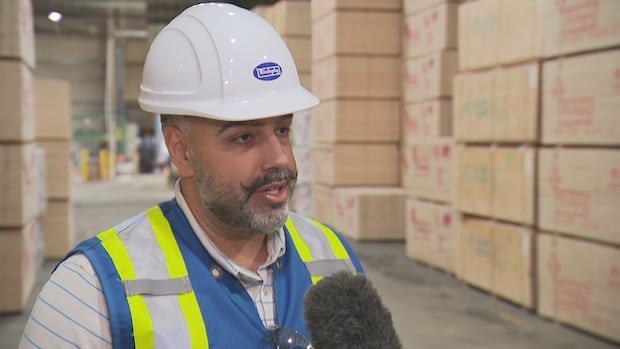
Bhavjeet Thandi, the CFO of Richmond Plywood, expressed apprehension about the potential impact on their company if the tariffs are enforced, foreseeing a halt in sales to the U.S. virtually overnight. Approximately 20% of the company’s products are currently exported to the United States.
Alex Mitchell, the CEO of the Abbotsford Chamber of Commerce, shed light on the significant trade ties between Abbotsford and the U.S., with over 300 local businesses exporting to the neighboring country. The city sees around $1.5 billion in annual exports, with many businesses heavily reliant on the American market.
The uncertainty persists as Prime Minister Carney and U.S. President Donald Trump engaged in a phone call recently, with businesses anxiously awaiting the outcome of the negotiations. The looming tariff landscape presents a formidable challenge for maintaining strong trading relationships between customers and suppliers.
The situation remains fluid, and stakeholders are closely monitoring developments as they await further clarity on the tariff negotiations.