
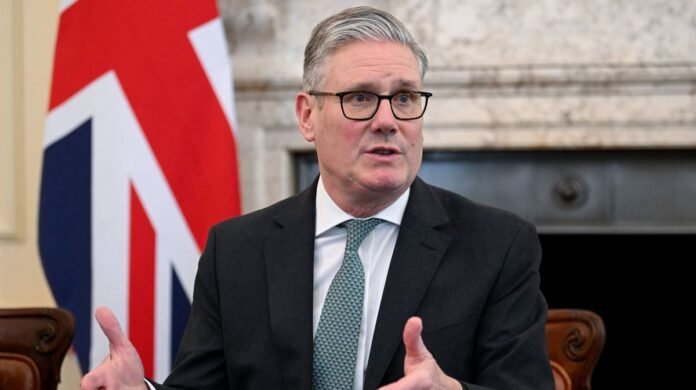

Keir Starmer emphasized the need for a collaborative approach in addressing the repercussions of the Iran conflict to safeguard British citizens from escalating expenses. During a meeting with energy and shipping industry leaders at Downing Street, the Prime Minister outlined efforts toward developing a practical strategy for the Strait of Hormuz.
The disruption caused by Tehran’s blockade of the critical shipping route, responsible for a significant portion of global oil and gas transportation, has triggered a surge in energy prices. Starmer discussed potential measures, including a military plan and a coalition of 35 nations working to de-escalate the conflict.
Recognizing the concerns of British households over rising bills, Starmer stressed the importance of a united effort between the government and businesses to address the situation effectively. Noting the impact on energy, petrol, and food prices, he highlighted recent government actions to alleviate the burden on consumers.
Participants at the meeting included representatives from Shell, BP, Maersk, Lloyd’s of London, HSBC, and Goldman Sachs. The ongoing US-Israeli conflict with Iran has significantly elevated global energy prices and raised apprehensions about potential fuel shortages and disruptions to food supplies.
Starmer highlighted ongoing efforts to form a coalition with European countries and other partners to de-escalate tensions and devise a viable plan for the region. He also criticized opposition leaders for advocating swift military intervention without considering the consequences.
A Cobra meeting is scheduled for the next day to discuss the impact of the conflict on the cost of living. Meanwhile, Chancellor Rachel Reeves and Energy Secretary Ed Miliband participated in a virtual meeting with G7 finance and energy ministers to explore responses to the economic implications of the war.
Defence Secretary John Healey is currently engaging with UK allies in the Gulf region, while US President Donald Trump has issued threats against Iran’s infrastructure. Oil prices, including Brent crude, have surged to levels unseen since 2022, with diesel prices reaching their highest point in years.
The situation remains dynamic, with global leaders and industry stakeholders actively seeking solutions to mitigate the economic fallout and ensure stability in the region.