
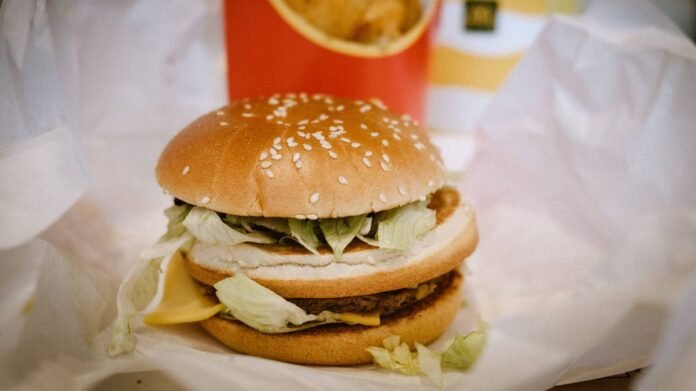

Fast food giant McDonald’s is planning to increase its prices in response to the ongoing Iran war. The head of McDonald’s UK division indicated that a slight price hike is imminent, although specific details are yet to be disclosed. While the Meal Deal and Saver menu items will remain unchanged, other menu items, including popular items like the Big Mac, may see price adjustments for the millions of McDonald’s customers in the UK.
Lauren Shultz, who assumed leadership of the UK and Ireland branch last year, emphasized the need to balance cost pressures with pricing strategies and assured customers that McDonald’s would still offer value compared to competitors. Shultz mentioned that discussions are underway regarding the timing of the price adjustments.
In a radio interview, Shultz highlighted the challenges posed by the volatile and inflationary industry, stating that while some prices may increase, it will be done in a measured manner that aligns with customer expectations. This potential price increase follows McDonald’s previous price adjustments earlier this year, including an increase in the price of a hash brown to nearly £2 in certain areas.
The ripple effects of the Iran war have led to cost shocks across various industries, prompting companies like McDonald’s to consider price revisions. The conflict has caused spikes in oil prices and impacted commodities due to disruptions in key trade routes. The Food and Drink Federation forecasts a significant increase in grocery inflation, possibly reaching 9% to 10% by Christmas, even if the conflict is resolved promptly.
Karen Betts, the FDF’s chief executive, highlighted the extensive impact of energy costs on the food supply chain, from production to transportation. Additionally, Allied Bakeries, the maker of Kingsmill bread, is contemplating adding a fuel surcharge to offset rising energy costs related to the war. The surcharge, estimated to be minimal, aims to cover increased production and transportation expenses, with retailers having the discretion to pass on the cost to consumers.
The developments reflect the broader economic implications of the Iran war, affecting various sectors and necessitating strategic adjustments to mitigate financial pressures.