
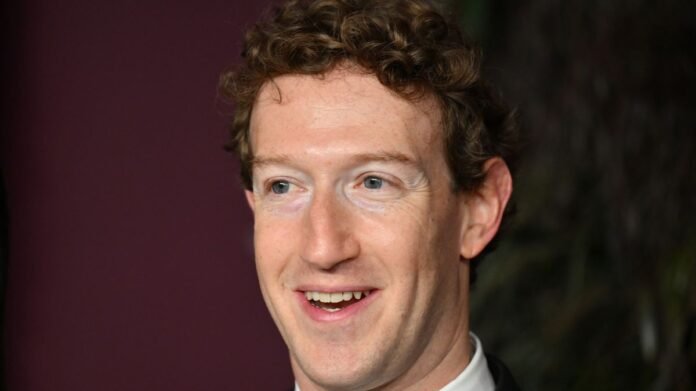

Meta, the parent company of Facebook, is reportedly developing an AI replica of its founder, Mark Zuckerberg, for internal use. The lifelike 3D model of Zuckerberg, tailored to mimic his behaviors and statements, will serve as a virtual assistant for employees to discuss work-related issues. This initiative aligns with Meta’s strategic focus on advancing Artificial Intelligence, with Zuckerberg actively participating in training the AI version of himself.
While the introduction of this “CEO agent” aims to enhance employee engagement and connectivity within the organization, concerns have been raised among staff regarding potential job implications following the AI integration, a trend observed in Silicon Valley.
In a separate development, Meta recently took a stand against law firms running ads on its platforms seeking clients for lawsuits related to social media addiction. The tech giant stated its refusal to allow trial lawyers to profit from their platforms while simultaneously claiming they are detrimental.
Amidst ongoing legal challenges, including a recent ruling in California that mandated Meta and YouTube to compensate a young woman for platform-related damages, the social media industry faces heightened scrutiny over allegations of inadequate user protection. The plaintiff, identified by her initials KGM, testified about her social media addiction and subsequent mental health struggles, leading to a significant damages award.
Jurors also recommended punitive damages against Meta, Instagram, Facebook, and YouTube for their alleged misconduct in targeting young users without regard for their well-being. Disputing the verdict, Meta and Google-owned YouTube expressed intentions to explore legal recourse, potentially through appeals, in response to the court decisions.