
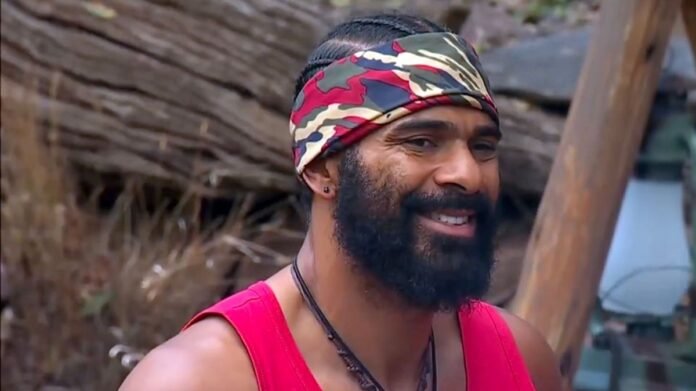

It feels strange to admit, but I find myself reminiscing about the days when the most cringe-worthy moments on the popular show “I’m A Celeb” involved watching celebrities tackle bizarre food challenges, like consuming kangaroo testicles, rather than witnessing displays of toxic masculinity.
During a recent episode, former boxer David Haye made controversial remarks on the show, suggesting that unattractive women need to compensate with better personalities to be noticed. He also harshly criticized fellow contestant Adam Thomas for refusing to participate in a trial due to illness, repeatedly calling him “useless.” Thomas later revealed that the experience was so distressing that he sought therapy to cope with the emotional impact.
Each time David appeared on screen, viewers braced themselves for his unsettling behavior. His eventual elimination from the show raised hopes that his problematic views would fade into the background, but unfortunately, that was not the case.
Following his exit, David defended his controversial statements in an interview with The Sun, showing minimal remorse for his actions towards Adam. Despite claiming to have privately apologized to Adam off-camera, David continued to publicly belittle him, referring to him as a “weak-ass dude” and making disparaging remarks about his health condition.
David’s unapologetic stance perpetuates harmful stereotypes and reinforces toxic masculinity, promoting a damaging narrative that downplays the importance of mental health and emotional well-being in men. Such attitudes, when endorsed by influential figures like David Haye, contribute to a culture of sexism and violence against women, as well as mental health issues among men.
The prevalence of toxic masculinity in reality TV is not a new phenomenon, as demonstrated by past controversies on shows like Love Island. Instances of abusive behavior among contestants have raised concerns about the lack of proper vetting processes and the glorification of toxic masculinity for the sake of entertainment.
It is crucial for reality TV programs to address these issues responsibly and prioritize the well-being of all participants. Embracing vulnerability, accountability, and mental health awareness, as exemplified by Adam Thomas’s actions, can foster a healthier and more positive environment on shows like “I’m A Celeb.”
Efforts to combat toxic masculinity in the media are essential in promoting a culture of respect, empathy, and inclusivity. By challenging harmful stereotypes and encouraging open dialogue about mental health, reality TV can play a pivotal role in creating a safer and more supportive space for all individuals involved.
Requests for comments from ITV and David Haye’s representatives were made but have not been responded to at this time.