

The UK government may face an £8 billion financial impact this year due to the Iran conflict, leading to increased borrowing costs and reduced tax revenue, as cautioned by a think tank. The Institute for Public Policy Research (IPPR) has released a report advising the government to take immediate action to mitigate potential long-term harm to the UK economy and public finances caused by the Middle East crisis.
Recent concerns over the economic repercussions of the war and political uncertainties, including local elections, have pushed UK government long-term borrowing costs to a 28-year peak. The IPPR highlights that a significant portion of UK government debt is tied to overall inflation rates, which have surged due to soaring oil prices. Without intervention, inflation rates could skyrocket from the current 3.3% to 5.8%.
To combat these challenges, the IPPR recommends specific actions that the Treasury and Chancellor Rachel Reeves could implement to curb inflation without resorting to detrimental interest rate hikes. These measures include enforcing a temporary energy price cap at £2,000 to control inflation and a temporary 10p fuel duty reduction to offset the impact of rising oil costs.
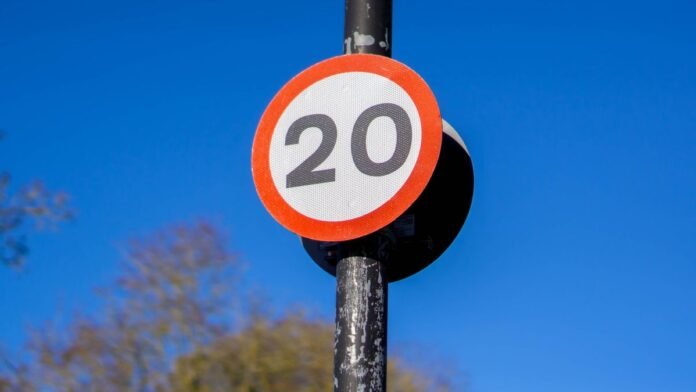
Furthermore, suggestions from the IPPR advocate for the reduction of speed limits to decrease fuel consumption and endorse targeted tax adjustments, such as enhanced windfall taxes on energy profits. The projected cost of implementing these measures is estimated at up to £5 billion annually, contingent on the severity of the crisis. However, these costs could be outweighed by savings on elevated debt interest expenses and the economic slowdown’s impact on tax revenues.
William Ellis, a senior economist at the IPPR, emphasized the urgency for proactive measures to prevent further inflation escalation and economic harm resulting from the Iran conflict. While the Bank of England may raise interest rates to counter inflation, the government has the flexibility to act promptly with effective policies to cap prices in critical scenarios. A well-designed intervention could potentially save the government money by averting long-term damage and steep interest rate hikes.
Sam Alvis, associate director at the IPPR, echoed the importance of a strategic intervention that not only safeguards living standards and prevents interest rate spikes but also insulates against severe economic repercussions. By keeping interest rates low and promoting higher investments, the government can shield against the adverse effects of energy crises and support the transition to cleaner energy solutions for long-term resilience.
The IPPR’s stance underscores the significance of well-thought-out policies to address market concerns and investor sentiments, emphasizing the government’s ability to act decisively and responsibly with the right strategies in place.